
Feeling loved and feeling appreciated aren't always the same thing. You might work extra hours to provide financially, only to hear your partner say they feel neglected. Or you buy thoughtful gifts that seem to go unnoticed while your partner craves simple quality time together. These disconnects don't mean your love is inadequate. They often mean you're speaking different love languages.
Dr. Gary Chapman's concept of love languages has helped countless couples at our Riverside and Corona offices understand why their genuine expressions of love sometimes miss the mark. When you learn to speak your partner's primary love language, connection deepens, and misunderstandings decrease.
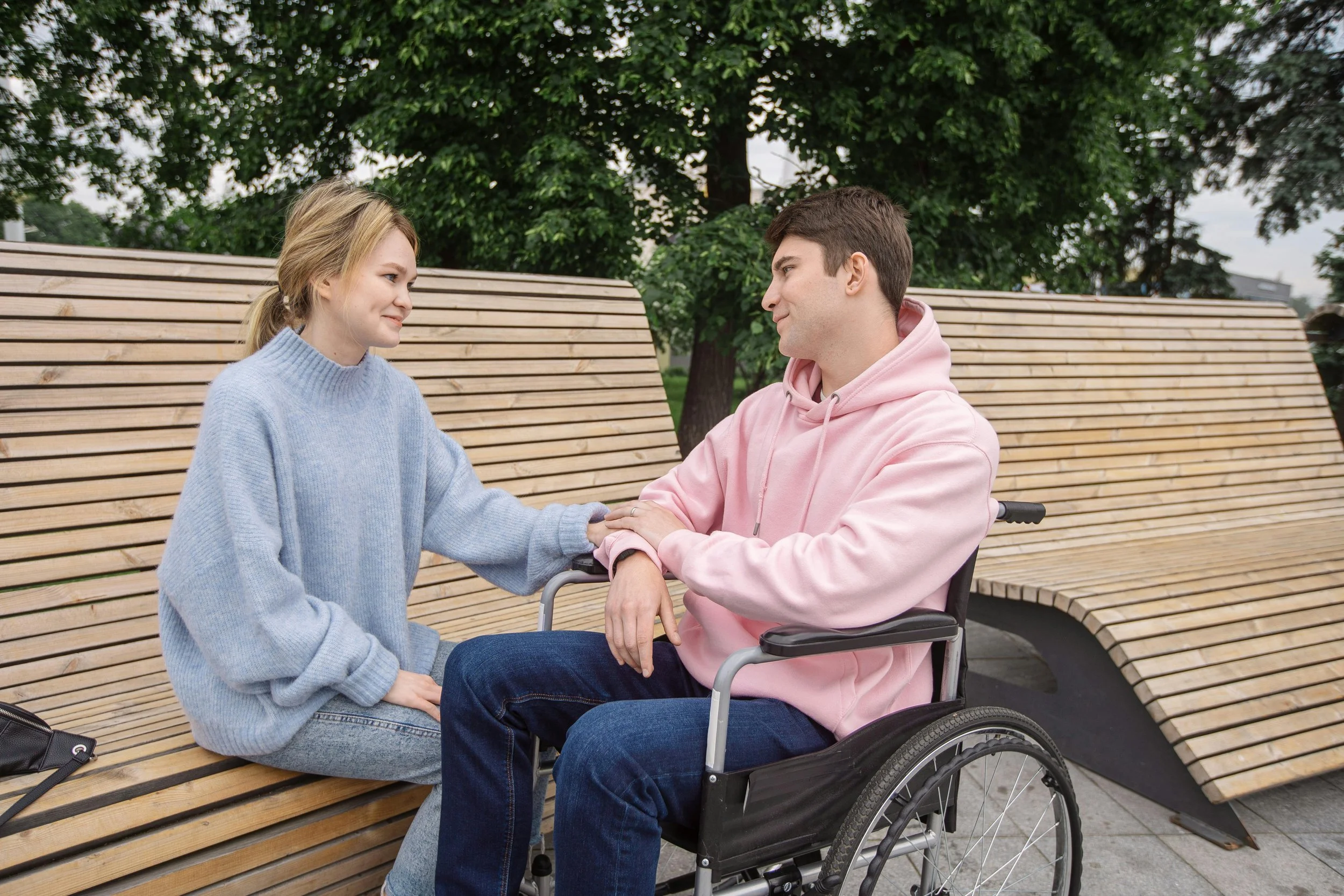
What Are the Five Love Languages?
The five love languages describe different ways people naturally give and receive love. Chapman identified these patterns through decades of marriage counseling: Words of Affirmation, Quality Time, Receiving Gifts, Acts of Service, and Physical Touch. Each person typically has one or two primary languages that make them feel most loved and valued.
Understanding these languages matters because we tend to express love in the ways we prefer to receive it. If your primary language is Acts of Service, you might show love by doing the dishes or maintaining the car. But if your partner's primary language is Words of Affirmation, they may not feel loved by clean dishes nearly as much as they would by hearing "I appreciate you."
This mismatch creates what feels like a cruel irony in relationships. Both partners are genuinely trying to show love, yet both feel unloved because they're speaking different languages. The person doing acts of service feels unappreciated when their efforts go unacknowledged. The person needing words of affirmation feels emotionally starved despite living in a well-maintained home.
The framework isn't about changing your personality or forcing yourself to be someone you're not. It's about becoming bilingual in love, learning to express affection in ways your partner can actually receive while helping them understand what makes you feel cherished.
The Five Love Languages Explained
Understanding each love language helps you recognize patterns in your relationship and identify which languages resonate most strongly with you and your partner.
Words of Affirmation
People with this love language feel most loved through verbal expressions of affection, appreciation, and encouragement, whether through compliments, thank-yous, or simply hearing "I love you."
Quality Time
This language prioritizes undivided attention, valuing focused time together without distractions, meaningful conversations, or shared activities that create connection.
Receiving Gifts
For these individuals, thoughtful gifts symbolize love and effort, with the emphasis on the thought and intention behind the gift rather than its monetary value.
Acts of Service
People who speak this language feel most loved when their partner does helpful things for them, whether that's cooking dinner, running errands, or handling household tasks without being asked.
Physical Touch
This language prioritizes physical connection through hugs, kisses, holding hands, and other forms of non-sexual and sexual touch that communicate love and safety.
Each language has equal validity, and no language is inherently better or worse than another, though understanding your own and your partner's primary languages can transform how you connect.
Discovering Your Love Language
Identifying your primary love language involves honest self-reflection. Consider what makes you feel most loved and appreciated. When do you feel most connected to your partner? Conversely, what complaints do you most often voice in your relationship? Your complaints often reveal your primary love language. If you frequently say, "We never spend time together," Quality Time is likely important to you. If you sa,y "You never help around the house," Acts of Service may be your language.
Think about how you naturally express love to others. While we don't always give love in the way we prefer to receive it, there's often an overlap. If you're constantly buying small gifts or tokens of appreciation, Receiving Gifts might be your language.
You can also take the official love languages assessment online, which provides structured questions to help identify your primary and secondary languages. Many couples find it helpful to take the assessment separately and then discuss their results together.
The discovery process works best when approached with curiosity rather than judgment. Your partner's primary language might surprise you or even seem less meaningful than your own. That's normal and doesn't reflect a problem with either of you. The goal is understanding, not agreement about which language is "best."
Common Love Language Mismatches
Some love language combinations create predictable tensions in relationships. Understanding these patterns can help you recognize dynamics in your own partnership.
A common mismatch occurs between Acts of Service and Words of Affirmation. One partner shows love by keeping the house clean, managing finances, or handling car maintenance. The other partner barely notices these efforts because they're waiting to hear verbal expressions of love and appreciation. Both feel like they're giving generously while receiving nothing in return.
Another frequent disconnect happens between Quality Time and Physical Touch. One partner craves focused attention and meaningful conversation, feeling loved through eye contact and engaged presence. The other partner seeks physical closeness and feels rejected when cuddles or physical affection are postponed. During a typical evening at home, one partner might feel neglected despite sitting on the same couch, while the other can't understand why their attempts at physical connection are rebuffed.
Receiving Gifts and Acts of Service can also clash. The gift-giver carefully selects meaningful presents for birthdays, anniversaries, and random occasions, investing thought and money into tangible symbols of love. Their partner, valuing Acts of Service, would rather have help with yard work or cooking than another item to store. The gift-giver feels their efforts are unappreciated, while the Acts of Service person feels burdened by accumulated possessions.
These mismatches aren't insurmountable obstacles. They're simply information about where you need to stretch beyond your comfort zone to meet your partner where they are. Recognition of the mismatch is often the first step toward more effective expressions of love.
Practical Ways to Speak Each Love Language
Learning to speak your partner's love language requires intentional practice, but it doesn't have to feel forced or inauthentic. Here are concrete ways to express love in each language.
1. Words of Affirmation
Leave notes in unexpected places like your partner's lunch bag or car, send midday texts expressing appreciation for specific qualities or actions, verbally acknowledge efforts your partner makes even for routine tasks, compliment them in front of others, and offer encouragement during challenging times with phrases like "I believe in you."
2. Quality Time
Put away phones during dinner and conversations, plan regular date nights even if that means a walk around Mount Rubidoux rather than an expensive restaurant, ask thoughtful questions and listen without trying to fix or solve, create small rituals like morning coffee together before the day's demands begin, and engage fully in activities your partner enjoys even if they're not your preference.
3. Receiving Gifts
Notice what your partner mentions wanting or needing and remember it for later, celebrate small moments not just major holidays, bring home their favorite treat from the store, create homemade gifts that show thought and effort, and keep a running list throughout the year of gift ideas so you're never scrambling last minute.
4. Acts of Service
Handle tasks your partner dislikes without being asked, anticipate needs before they become requests, maintain shared spaces without expecting recognition, take over a responsibility that typically falls to your partner to give them a break, and complete projects you've been promising to finish.
5. Physical Touch
Greet your partner with a hug or kiss when reuniting after time apart, hold hands while watching television or riding in the car, offer shoulder rubs or back scratches without expectation of sexual activity, sit close together rather than on opposite ends of the couch, and initiate affection throughout the day, not just during intimate moments.
The key is consistency rather than grand gestures, with small daily expressions of love in your partner's language building security and connection more effectively than occasional dramatic demonstrations.
When Love Languages Aren't Enough
Love languages provide a helpful framework for understanding relationship dynamics, but they're not a complete solution to relationship problems. If you're consistently speaking your partner's love language and still experiencing significant disconnection, other issues may need attention.
Unresolved conflict, lack of trust, poor communication patterns, unaddressed trauma, mental health challenges, or fundamental value differences require deeper work than simply learning each other's love languages. These issues benefit from professional support through couples counseling, where you can address underlying dynamics affecting your connection.
Love languages also shouldn't become an excuse for one partner to avoid growth or refuse to meet the other's needs. "That's just not my love language" can become a shield against genuine effort. Healthy relationships require both partners to stretch beyond their comfort zones and learn to give love in ways that may not come naturally but matter deeply to their partner.
If your partner consistently refuses to acknowledge or attempt speaking your love language despite your clear communication, that's a relationship issue requiring professional attention. Love requires not just understanding but action, and individual therapy might help if one partner struggles to show love in any form beyond their own preferred language.
Teaching Love Languages to Your Partner
Successfully applying the love languages framework requires both partners to engage with the concept. Simply reading about love languages yourself won't transform your relationship if your partner remains unaware of the framework or their own needs.
Start by sharing the concept with genuine curiosity rather than criticism. Instead of saying "You never speak my love language," try "I learned something interesting about how people give and receive love differently. Would you be willing to read about it with me?" This invitation creates collaboration rather than defensiveness.
Consider taking the love languages assessment together, perhaps on a relaxed weekend morning, and discuss your results without judgment. Ask questions like "Does this resonate with you?" or "Can you think of times when you felt especially loved? What was I doing?" These conversations build mutual understanding and create shared language for discussing needs.
Be specific when teaching your partner how to love you. Rather than saying "I need more quality time," offer concrete requests like "Would you be willing to put your phone away during dinner and really talk with me for thirty minutes?" Specificity removes guesswork and increases the likelihood that your partner can successfully meet your needs.
Acknowledge and appreciate when your partner attempts to speak your love language, even if their execution isn't perfect. Positive reinforcement encourages continued effort. If your partner leaves you a note (Words of Affirmation) but the wording feels awkward, appreciate the attempt rather than critiquing the delivery.
Building a Bilingual Relationship
The goal isn't for both partners to abandon their natural love languages but to become fluent in each other's languages while maintaining authenticity. You can learn to speak Words of Affirmation even if it doesn't come naturally, just as someone can learn Spanish while still being a native English speaker.
Start small with one or two expressions of love in your partner's language each day. If their language is Acts of Service and yours is Physical Touch, you might make their coffee in the morning before initiating your usual goodbye hug. You're honoring both languages without forcing either partner to completely change their nature.
Notice patterns in when your partner seems most receptive to different languages. Perhaps they appreciate Physical Touch in the morning but prefer Quality Time in the evening after a long day. This nuanced understanding allows you to tailor your expressions of love to contexts and moments when they'll be most meaningful.
Create accountability and check-ins without turning love into a transaction. You might have monthly "relationship state of the union" conversations where you each share what's been working and where you'd like more connection. These structured conversations prevent resentment from building while maintaining regular opportunities for course correction.
Remember that speaking your partner's love language requires practice, and you won't always get it right. The effort itself communicates love. When your partner sees you attempting Acts of Service despite preferring to express love through gifts, they recognize the intentionality behind your actions, even if the dishes aren't loaded exactly right.
Love Languages and Cultural Context
While the five love languages framework has helped many couples, it's worth noting that cultural context influences how we express and receive love. In our diverse Inland Empire community, where families bring varied cultural backgrounds and traditions, love languages may manifest differently than Chapman's original research suggested.
Some cultures emphasize indirect expressions of love through practical care rather than direct verbal affirmation, even when Words of Affirmation might be someone's natural language. Other cultures prioritize family and community time over couple-focused quality time, requiring adaptation of the Quality Time language.
Physical touch norms vary significantly across cultures, with some backgrounds encouraging open physical affection and others viewing excessive touch as inappropriate. Understanding these cultural influences helps you distinguish between genuine love language mismatches and culturally-informed expressions of affection.
If you and your partner come from different cultural backgrounds, discussing how your families of origin expressed love can provide valuable context for understanding your current patterns. This exploration often happens naturally in family therapy, where broader family dynamics and cultural influences are examined.
Moving Forward Together
Understanding love languages offers couples a practical framework for improving connection and reducing frustration. When you learn to recognize how your partner experiences love and make consistent efforts to speak their language, relationships deepen, and both partners feel more valued.
The work of becoming bilingual in love requires patience, practice, and genuine commitment from both partners. You'll make mistakes, forget to speak your partner's language during stressful times, and occasionally fall back into old patterns. That's normal and expected. What matters is the overall trajectory toward greater understanding and more intentional expressions of love.
If you're struggling to apply love languages in your relationship or finding that understanding each other's needs isn't translating into felt connection, support is available. Our team at Raincross Family Counseling works with couples throughout Riverside and Corona to build stronger communication and deeper intimacy. Contact us to schedule a consultation and begin the journey toward a relationship where both partners feel genuinely loved and appreciated.
Ready to take the next step in your mental health journey? At Raincross Family Counseling, we're here to support you with compassionate, personalized care in the heart of the Inland Empire and beyond. Whether you're seeking individual therapy, couples counseling, family therapy, or specialized EMDR treatment, our experienced team is ready to walk alongside you toward healing and growth. Contact us today!
Raincross Family Counseling - Where healing takes root and growth flourishes in our Riverside community.
