
Supporting Children and Teens with Back-to-School Anxiety After Winter Break
The transition back to school after winter break often catches families off guard. While the excitement of the holidays fades, children and teens face the reality of returning to academic demands, social pressures, and rigid schedules after weeks of relative freedom. For many young people in Riverside and Corona, this transition triggers significant anxiety that can affect their well-being, relationships, and school performance.
Understanding how to recognize and respond to back-to-school anxiety helps you support your child through this challenging adjustment. Whether your child is heading back to elementary school with renewed social worries or your teenager is facing the pressure of second-semester coursework, recognizing the signs and knowing how to help makes all the difference.
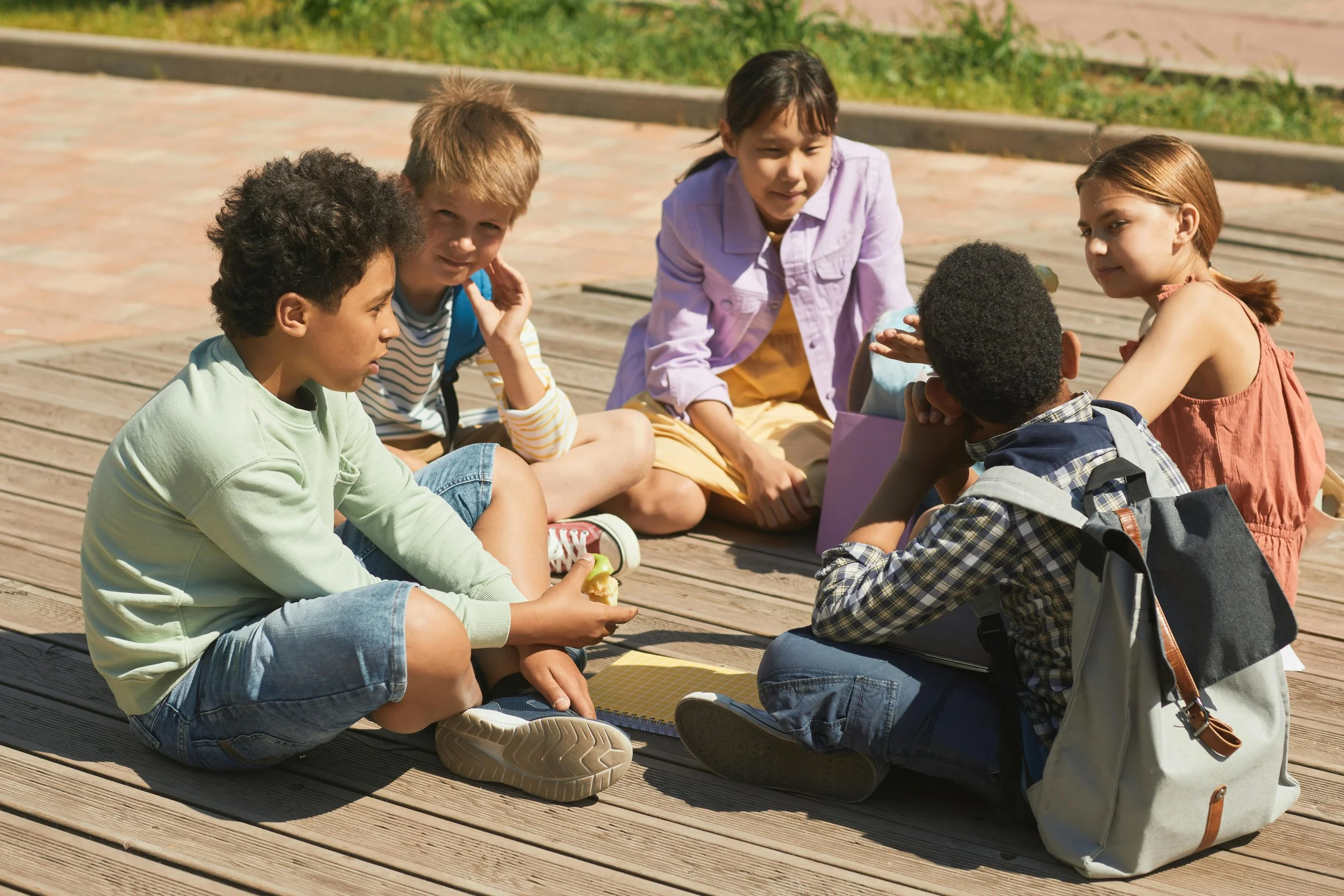
Understanding Back-to-School Anxiety After Winter Break
Winter break creates a unique disruption in children's routines. Unlike summer vacation, which offers time to mentally prepare for a new grade or school, winter break drops students right back into the middle of the academic year. They return to the same teachers, the same classmates, and the same expectations, but after several weeks of later bedtimes, relaxed schedules, and family time, the adjustment can feel jarring.
Normal nervousness about returning to school differs from clinical anxiety in important ways. Most children experience some apprehension before school resumes. They might feel a little nervous the night before or need extra reassurance on the first morning back. This typically resolves within a few days as they resettle into their routines.
Anxiety becomes concerning when it persists beyond the first week, intensifies rather than improves, or significantly interferes with daily functioning. A child experiencing anxiety rather than typical nervousness might have physical symptoms like stomachaches or headaches, resist going to school through tears or tantrums, or show significant changes in mood, sleep, or appetite.
The developmental stage also shapes how anxiety manifests. Elementary-aged children often express anxiety through physical complaints or clinginess. They might have trouble separating from parents at drop-off or complain of feeling sick. Middle school students tend to worry more about social dynamics and peer acceptance, sometimes masking anxiety with irritability or withdrawal. High school teens often internalize their anxiety, presenting as perfectionistic, overwhelmed, or suddenly disengaged from activities they previously enjoyed.
Signs Your Child May Be Struggling
Recognizing anxiety in children and teens requires attention to changes across multiple areas. Watch for these common indicators that your child needs additional support:
Physical Symptoms
Your child might complain of stomachaches, headaches, or general feelings of being unwell, particularly on school mornings, along with sleep disturbances like difficulty falling asleep, nightmares, or early morning waking.
Behavioral Changes
Previously independent children might become clingy or reluctant to separate from parents, with school refusal emerging suddenly as they find reasons why they cannot attend.
Increased Avoidance
You might notice increased procrastination around homework or school preparation, perfectionism that leads to spending excessive time on assignments, or avoidance of school-related conversations.
Emotional Indicators
Watch for increased irritability, tearfulness without clear cause, expressions of worry about school performance or social situations, negative self-talk, or emotional outbursts that seem disproportionate to the situation.
Social Withdrawal
Some teens withdraw from family activities or peer relationships, spending more time alone in their rooms and avoiding previously enjoyed social connections.
Academic Performance Shifts
Grades might drop, assignments go unfinished, or your child, who previously enjoyed learning, suddenly dreads schoolwork, with teachers reporting that your child seems distracted or withdrawn.
These signs often appear in combination rather than isolation, creating a pattern that indicates your child is struggling with more than typical adjustment stress.
What Drives Post-Break Anxiety
Several factors contribute to anxiety around returning to school after winter break. Academic pressure intensifies as students realize they are heading into the second semester, often associated with more challenging coursework and the pressure to finish the year strong. Students who struggled academically in the fall may dread returning to subjects where they feel behind, while high-achieving students worry about maintaining their performance.
Social reconnection creates its own anxiety. Friendships can feel uncertain after time apart, particularly for middle and high school students navigating complex peer dynamics. Some children worry that friend groups shifted during break or that they will not fit in anymore. Others experienced family conflicts or difficult dynamics during the holidays that now color their emotional state as they return to school.
Schedule shock affects children's bodies and minds. After sleeping in and following relaxed routines, the sudden return to early wake-ups, structured days, and constant demands feels overwhelming. The contrast between the cozy, family-focused break and the busy, performance-oriented school environment can trigger stress responses in children's nervous systems.
For students facing particular challenges, whether learning differences, social difficulties, or mental health concerns, the break might have provided welcome relief. Returning to the environment where these challenges exist can feel like facing an uphill battle all over again. The temporary reprieve makes the return feel even more difficult.
Practical Strategies for Parents
Supporting your child through this transition requires intentional approaches that address both their emotional needs and practical concerns. Try these evidence-based strategies to ease the adjustment:
1. Re-establish Routines Before School Resumes
A few days before the return, begin shifting bedtimes and wake times back toward school schedules, and reintroduce structure around meals, screen time, and activities to ease the transition from vacation mode to school mode.
2. Create Space for Open Conversations About Worries
Rather than asking "Are you excited about going back?" which assumes positive feelings, try "What are you thinking about as school starts again?" and listen without immediately trying to fix or dismiss their worries.
3. Validate Feelings Without Enabling Avoidance
Acknowledge that returning to school feels hard while maintaining the expectation that they will attend, using phrases like "I understand you are feeling nervous, and I believe you can handle this."
4. Practice Collaborative Problem-Solving
If your child worries about a specific class, brainstorm strategies together, whether that means speaking with the teacher, arranging tutoring through individual therapy, or breaking down large assignments into smaller steps.
5. Communicate Appropriately with Teachers
Reach out to let them know your child is experiencing anxiety about the return so teachers can offer extra check-ins, provide reassurance, or adjust expectations temporarily as your child settles back in.
These strategies work best when implemented consistently and adjusted based on your child's specific needs and responses.
Age-Appropriate Support Approaches
Elementary school children benefit from concrete, tangible support. They understand concepts better through play and stories than through abstract conversations. Reading books about school anxiety together, playing school at home, or using dolls or action figures to act out school scenarios helps them process their feelings. Establishing a special goodbye ritual at drop-off creates security. A consistent phrase, special handshake, or note in their lunchbox provides a connection throughout the day.
Middle school students navigate identity formation and intense peer awareness. Rather than directing their choices, ask questions that help them think through situations. "What would help you feel more confident?" or "What is the worst that could happen, and how would you handle it?" encourages problem-solving. Respect their growing need for privacy while maintaining connection. Brief check-ins work better than lengthy conversations; they might resist.
High school teens need support that honors their autonomy while providing scaffolding. Avoid taking over or solving problems for them, but offer to be a sounding board. Help them identify resources like school counselors, academic support, or strategies for managing workload. If they are interested, family therapy can help improve communication and support around academic and social pressures. Recognize that their anxiety might connect to larger concerns about college, future plans, or identity questions that benefit from deeper exploration.
Creating a Supportive Home Environment
The home environment significantly impacts how children manage school stress. Predictable morning routines reduce anxiety by eliminating uncertainty. When children know exactly what to expect each morning, from wake-up time to breakfast to when they leave, they experience less stress. Keep mornings calm by preparing as much as possible the night before, setting out clothes, packing backpacks, and preparing lunches.
After-school decompression time allows children to transition from the demands of school to home. Different children need different approaches. Some need to talk immediately about their day, while others need quiet time alone before they can engage. Respect your child's processing style and create space for what they need. Avoid scheduling too many activities immediately after school when possible.
Balancing extracurriculars requires honest assessment. While activities provide benefits, overscheduling increases stress. If your child shows signs of being overwhelmed, consider reducing commitments, at least temporarily. Quality matters more than quantity when it comes to enrichment activities.
Family connection time buffers against stress. Regular family meals, game nights, or simple time together without screens strengthens relationships and creates a safe space for children to share struggles. In Riverside's busy 15 or Los Angeles’ 10 freeways, where parents often face long commutes, protecting family time requires intentional effort but pays dividends in your child's emotional well-being.
When to Seek Professional Help
While many children adjust within a couple of weeks, some need additional support. Red flags that indicate professional help would benefit your child include anxiety that persists beyond two weeks without improvement, school refusal that continues despite your efforts, physical symptoms without a medical cause, significant sleep or appetite changes, withdrawal from activities and relationships they previously enjoyed, panic attacks, or expressions of hopelessness or self-harm.
Therapy provides children with tools to manage anxiety effectively. A skilled therapist helps children understand their worries, develop coping strategies, and build confidence in facing feared situations. For some children, particularly those with trauma histories, approaches like EMDR therapy can address underlying experiences contributing to current anxiety.
Treatment typically combines cognitive-behavioral approaches that help children identify and challenge anxious thoughts with practical skill-building around relaxation, problem-solving, and gradual exposure to feared situations. Couples counseling or family therapy might be recommended if parental anxiety or family dynamics contribute to your child's struggles.
Finding the right therapist matters. Look for licensed mental health professionals with specific training in childhood anxiety. At Raincross Family Counseling, our therapists understand the unique pressures facing Riverside and Corona families and provide culturally responsive care that respects your family's values and background. We offer both in-person sessions at our Riverside and Corona locations and telehealth options for flexibility.
Moving Forward with Confidence
The return to school after winter break challenges many children and teens, but with understanding and appropriate support, they navigate this transition successfully. Trust your instincts about your child, and remember that seeking professional guidance when needed shows strength and care. For families in Riverside, Corona, and throughout the Inland Empire who need additional support, Raincross Family Counseling offers compassionate, evidence-based care tailored to each family's unique needs. Visit our contact page or call us at (951) 977-3638 to schedule a consultation.
Ready to take the next step in your mental health journey? At Raincross Family Counseling, we're here to support you with compassionate, personalized care in the heart of the Inland Empire and beyond. Whether you're seeking individual therapy, couples counseling, family therapy, or specialized EMDR treatment, our experienced team is ready to walk alongside you toward healing and growth. Contact us today!
Raincross Family Counseling - Where healing takes root and growth flourishes in our Riverside community.
