
Mental Health in the Latino Community
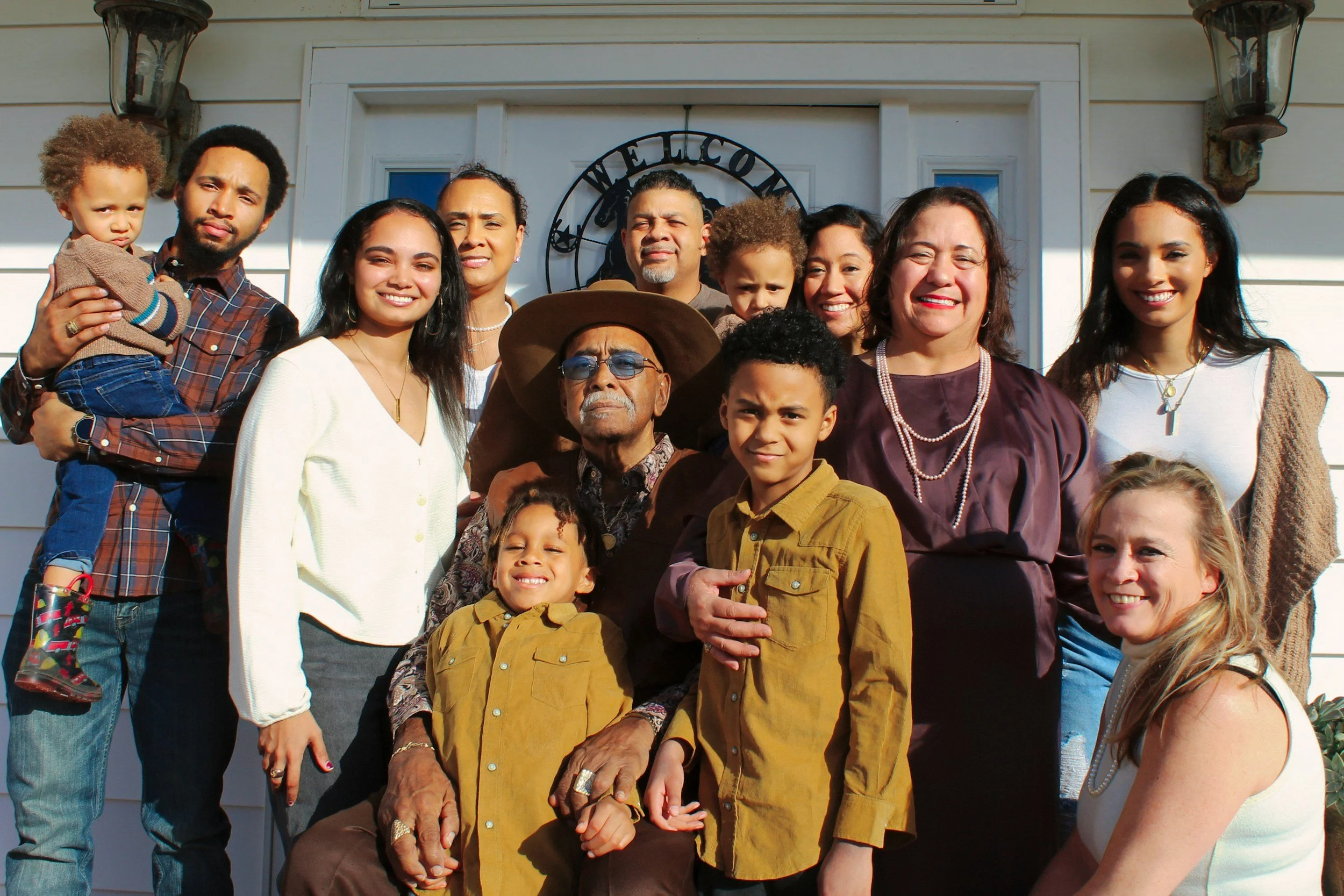
In Riverside and Corona, Latino families are not a niche population. They are central to the story of this region. From the citrus workers who shaped early Riverside to the multigenerational households scattered across Casa Blanca, Arlanza, Eastside, and the neighborhoods of Corona, the Latino community has helped build the Inland Empire and continues to define it. That history carries strength, resilience, and a deep sense of family. It also carries layers of stress that mental health conversations often miss.
Talking about mental health in Latino families is not a single conversation. It is many conversations, shaped by generation, language, faith, immigration history, and the particular weight of being expected to be strong for everyone else. This blog is for the abuelas who carried so much in silence, for the parents working two jobs and wondering why they cannot sleep, and for the young adults trying to honor their family while also taking care of themselves.
Common Mental Health Realities in Latino Families
Latino adults in the United States experience depression, anxiety, and trauma-related conditions at rates similar to or higher than the general population, yet they are far less likely to receive professional care. The reasons are not mysterious. Stigma, cost, language barriers, immigration fears, and a lack of culturally affirming providers all contribute. So does the simple fact that many Latino households were built on the value of aguantar, of enduring quietly, of not airing what happens inside the home.
These realities show up in everyday ways. A mother who has not slept well in months tells herself it is just stress. A father who feels persistently irritable assumes it is the job, not depression. A college student who is the first in the family to leave home carries guilt that looks a lot like anxiety. A grandmother whose body holds decades of unprocessed grief is told she simply worries too much. Understanding the difference between stress and anxiety is often the first step toward naming what is actually happening.
There are also specific stressors that many Latino families navigate that the wider mental health field has been slow to address. Immigration-related trauma, mixed-status family stress, the daily weight of discrimination, and the experience of being a cultural bridge between generations all leave marks on the nervous system. So does the layered trauma response that many family members carry without ever naming it as trauma.
Cultural Strengths That Support Mental Wellness
It is important to name something that gets lost in clinical literature: Latino culture carries enormous protective factors for mental health. The stereotype of Latino families as places where mental health goes to die misses the truth. Many of the things our families do naturally are exactly what mental health research recommends.
Strengths Worth Naming Out Loud
Familismo, the deep value placed on family loyalty and connection, provides a built-in support system that research consistently links to better mental health outcomes.
Intergenerational households create natural caregiving networks for children, elders, and anyone going through a hard season.
Spirituality and faith practices, including prayer, ritual, and community worship, are well-documented buffers against depression and isolation.
Storytelling traditions that pass wisdom and humor across generations help families process difficult experiences in ways that feel natural rather than clinical.
Food and gathering as expressions of love create reliable rhythms of connection that anchor mental wellbeing.
Personalismo, the value placed on warm, personal relationships, often makes Latino clients excellent at building therapeutic relationships once they feel safe enough to begin.
Resilience modeled across generations, including the experience of immigration, hard labor, and rebuilding, gives many Latino clients a deep well of strength to draw on.
These strengths do not erase the need for professional support when it is needed, but they reshape what good care looks like. A therapist who knows how to work with these strengths, rather than around them, is the kind of therapist Latino families deserve.
Barriers to Seeking Care
Even when a Latino family member knows something is wrong, getting help can feel out of reach. The barriers are real, layered, and often misunderstood by providers who have never lived inside them.
Stigma is the one most commonly named, but it is more nuanced than the phrase suggests. For many Latino families, the hesitation is less about thinking mental illness is shameful and more about not wanting to burden others, not wanting to seem ungrateful for what was sacrificed to get here, or not wanting to invite outside judgment into something the family should handle. The phrase "qué dirá la gente," what will people say, captures something real about how mental health concerns get tangled with family reputation.
Language and access matter too. A client who speaks Spanish at home may struggle to fully express grief or trauma in English, especially when the original wound happened in another language. Cost is a significant barrier as well. Many Latino families are uninsured or underinsured, and even those with coverage may worry about copays. Practices that are transparent about fees, insurance options, and sliding-scale availability can help take some of that uncertainty off the table.
For families with mixed immigration status, fear of any institution that might involve records or government connection is a daily reality. A culturally responsive practice understands this and creates protocols, language, and reassurance that help clients feel safe enough to begin.
Finally, there is the simple matter of finding a provider who looks like you or who at least understands the cultural texture of your life. The Inland Empire has more Latino therapists than it used to, and resources for finding mental health support in Riverside and Corona continue to grow.
How to Begin a Mental Health Conversation in a Latino Family
If you are wondering how to bring up mental health with a parent, sibling, child, or partner who has not been open to it before, you are not alone. These conversations are tender and often take more than one try. Here are five ways to start that respect both the relationship and the goal.
1. Lead with Love, Not Diagnosis
Avoid words like depression or anxiety in the first conversation if those words feel loaded in your family. Instead, lead with observation and care. "Mamá, I have noticed you seem tired in a different way lately. I love you, and I want to make sure you are okay." Naming the relationship before naming the concern helps the conversation feel like a connection rather than a confrontation.
2. Use Familiar Language
Words like cansada del alma, soul-tired, or nervios may land better than clinical terms. Many Latino families have their own vocabulary for emotional pain, and using that vocabulary signals that you are speaking from within the family rather than from a textbook.
3. Share Your Own Experience First
If you have been to therapy or have used mental health tools yourself, sharing your experience can lower the temperature in the room. "I went through something hard last year, and talking with someone helped me sleep again." This frames support as something normal people use, not something only sick people need.
4. Honor Faith Without Replacing It
If faith is central to your family, do not position therapy as competing with prayer or church. Talk about how God or el Señor often works through people, including doctors and counselors, and that seeking help is not a lack of faith. For families who want it, faith-informed therapy can sit alongside their existing spiritual practices.
5. Be Patient and Persistent
The first conversation may not lead anywhere visible. That is okay. Plant the seed, let it sit, and come back to it gently over time. Many Latino clients eventually seek therapy months or years after a family member first mentioned it. Your love and your patience are doing more than you may realize.
These approaches do not guarantee a yes, but they create the kind of opening that respects both the person and the culture they come from.
Finding Culturally Affirming Care in the Inland Empire
When a Latino family member is ready to seek support, the next question is where. Look for a practice that names cultural responsiveness as a real practice rather than a marketing line, that has clinicians who reflect the community, and that offers family therapy options when the work needs to involve more than one person. Many Latino concerns are family concerns, and treatment that includes the family system often goes deeper than individual work alone.
Ask about Spanish-speaking clinicians if that is needed, about insurance options, about telehealth for families juggling work schedules, and about whether the practice has experience with the specific concerns you are bringing in. Trust your instincts in the first call. A good practice will sound like it has time for you.
A Hopeful Closing
Mental health is not a foreign concept being imposed on Latino families. It is the modern name for something our cultures have always cared about: bienestar, the wellbeing of the whole person, body and mind and spirit and community. Seeking support is not abandoning your culture. It is honoring it by taking care of the next generation and the one after that.
If you want to learn more about our practice or schedule an initial conversation, our home page has everything you need to begin. You are welcome here, exactly as you are.
Ready to take the next step in your mental health journey? At Raincross Family Counseling, we're here to support you with compassionate, personalized care in the heart of the Inland Empire and beyond. Whether you're seeking individual therapy, couples counseling, family therapy, or specialized EMDR treatment, our experienced team is ready to walk alongside you toward healing and growth. Contact us today!
Raincross Family Counseling - Where healing takes root and growth flourishes in our Riverside community.
