
Creating Family Rituals That Strengthen Bonds
Some of the strongest memories families carry are not from big trips or expensive gifts. They are from the small, repeated things. Friday night pizza. The walk around the block after dinner. The way your dad always said the same blessing at the table. The drive home from grandma's house with the same songs on the radio. These small repeated moments are rituals, and they do far more for family wellbeing than most parents realize.
In a region like the Inland Empire, where families are often stretched thin between long commutes on the 91 and 15, multiple jobs, school schedules, and the steady pull of screens, rituals can feel like one more thing to add to an already full plate. They are actually the opposite. Rituals are the rhythm that holds a family together when life gets loud.
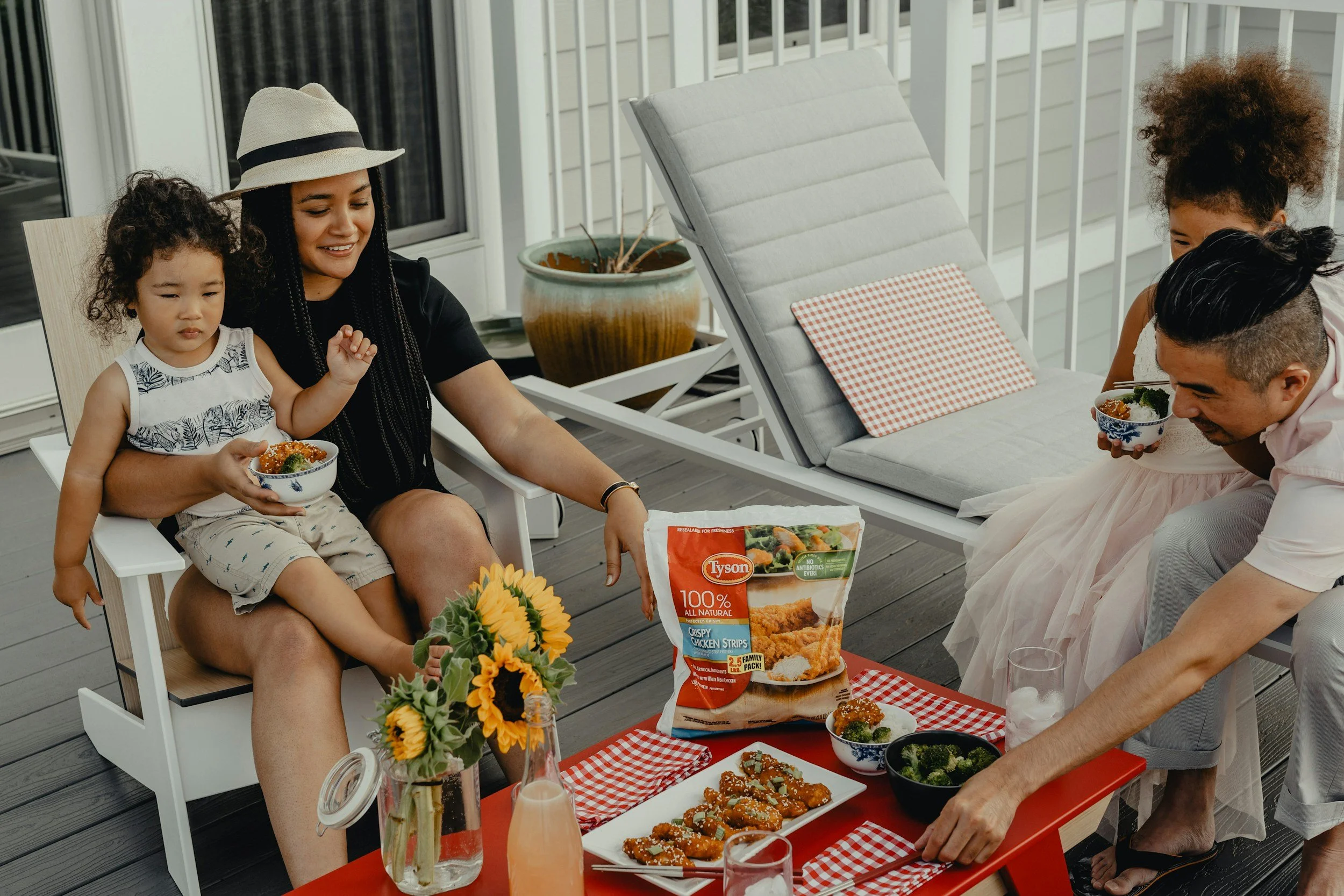
What Makes a Ritual Different from a Routine
Most families have routines. You wake up, get the kids ready, make breakfast, drop everyone off, and start the day. Routines are necessary and useful. They are not the same as rituals.
A routine is a sequence of tasks designed to accomplish something. A ritual is a repeated practice designed to mean something. The difference is intention. Brushing teeth before bed is a routine. Reading a book together every night and saying the same goodnight phrase is a ritual. The mechanics may look similar, but rituals carry emotional weight that routines do not. They tell children, partners, and parents themselves: this is who we are.
Research on family ritual consistently links it to stronger child mental health, better adolescent identity formation, healthier marriages, and more resilient families during times of transition or loss. The rituals do not have to be elaborate. They have to be consistent.
Why Rituals Build Connection
Connection is not built in the big moments. It is built in the small ones, repeated. When a family eats together regularly, lingers at the table for a few minutes, asks each other about the day, and listens without scrolling, something quietly important is happening. Each family member learns that they belong, that they are paid attention to, and that they have a place no one else can fill.
This matters most during the seasons when families often feel they are losing each other. The middle school years, the late teenage years, the early years of marriage, the months after a new baby arrives, the period after a loss. Rituals give a family a thread to hold onto when other things shift. They are also a powerful complement to therapeutic work. When families are doing the harder work of couples counseling or family therapy, rituals at home become small daily reminders that the relationship is worth investing in.
For families navigating different developmental stages at the same time, like raising a toddler and a teenager in the same household, rituals also create touchpoints that work across ages. The five-year-old and the fifteen-year-old can both look forward to Sunday breakfast in their own way. If you want to think more about how to adjust your parenting across these phases, our piece on parenting through different developmental stages explores this in more depth.
Categories of Family Rituals
When families think about rituals, they often jump straight to holidays. Holidays are one important category, but they are not the only one. Mental health researchers tend to group family rituals into several types, and a healthy family usually has at least a few from each category.
Types of Rituals That Hold a Family Together
Daily rituals, like morning hugs, the same goodbye phrase before school, family dinner most nights of the week, or a check-in before bed.
Weekly rituals, like Saturday morning pancakes, Sunday walks at Mount Rubidoux, Friday movie night, or a regular family meeting where everyone gets to speak.
Seasonal rituals, like decorating together in October, the same hike when the weather cools, or a tradition tied to the first day of school.
Holiday rituals, both the big ones like Christmas, Thanksgiving, Easter, and Día de los Muertos, and the smaller ones that belong only to your family.
Transition rituals that mark moments of change, like a special dinner before a child starts kindergarten, a sending-off tradition before a move, or a quiet ritual after a loss.
Connection rituals that exist between two specific family members, like a dad-and-daughter breakfast or a sibling tradition that does not include the parents.
Repair rituals that families use after a fight, like a specific phrase that signals "we are okay" or a shared activity that puts the day back together.
Notice that none of these require money or elaborate planning. They require intention and repetition. That is the whole formula.
Simple Rituals to Start This Month
If your family does not have many rituals right now, or if life has crowded out the ones you used to have, you do not need to overhaul everything. Pick one. Try it for a month. See what happens. Here are five simple rituals you can start almost immediately.
1. The Three-Question Dinner
At dinner, even if it is fast food in the car on the way to practice, ask each person three questions: What was the best part of today, what was the hardest part, and what are you looking forward to tomorrow? It takes about five minutes. It will tell you more about your kids and your partner than almost anything else you do all week.
2. The Weekly Family Walk
Pick a day, ideally the same day each week, and walk together. It can be Mount Rubidoux at sunset, the loop around your neighborhood, the path at Fairmount Park, or just the block. Walking side by side, rather than facing each other across a table, makes conversation easier for kids and teens. Many of the most important things your children will ever tell you will happen on a walk.
3. The Sunday Reset
Build a small ritual into Sunday evening that helps everyone land in the new week together. It could be a meal you make together, a board game, looking at the week's calendar as a family, or a brief check-in about what each person needs. This ritual is especially powerful for blended families or families with multiple custody arrangements, where Sunday often feels like a transition.
4. The Phone-Free Hour
Choose one hour each day, ideally around dinner or before bed, when phones go in a basket and the family is together without screens. The first week feels uncomfortable. The second week feels normal. By the third week, your family is having actual conversations again. The research on this is consistent and clear.
5. The Goodbye and Hello Ritual
Whenever family members leave the house and return, build a small ritual around it. A specific hug. A phrase like "love you, drive safe." A wave from the door. These tiny rituals signal that every entry and exit matters, which is exactly what you want your children to internalize.
Pick one. Start tomorrow. Do not wait for the perfect moment, because the moment is now.
Adapting Rituals Through Life Transitions
Rituals are not meant to be rigid. They are meant to flex with the family. When a child enters adolescence, the family dinner conversation changes. When a parent remarries, new rituals get folded in alongside the old ones. When someone in the family dies, rituals carry grief in ways nothing else can.
Blended families face a particular ritual challenge because each side often comes with established traditions that may not match. Building new shared rituals while honoring the ones each member is already attached to takes patience and intention. Our piece on the challenges and opportunities of blending families explores this in more detail. The general principle is to add slowly, listen carefully, and not force anyone to abandon a ritual that is meaningful to them.
Seasonal stress is another moment when rituals are tested. The summer holidays, school breaks, and end-of-year periods often disrupt the rhythms families rely on. If your family is currently navigating that kind of stretch, our guidance on managing summer holiday stress and family dynamics offers practical support.
When to Bring in Outside Support
Rituals are powerful, but they are not a substitute for professional help when a family is genuinely struggling. If communication has broken down, if a child is showing significant behavioral or emotional changes, if grief or trauma is reshaping the household, or if you and your partner cannot seem to find your footing together, rituals alone will not be enough. Therapy can give a family the tools to repair what is broken and the language to build something new together.
A good family therapist can also help you design rituals that fit your specific situation, your culture, and the developmental needs of each member. This is part of what makes therapy at its best feel less like fixing and more like building.
A Final Word
The rituals you create today are the memories your children will carry for the rest of their lives. They are also the threads that hold your family together through every season ahead. You do not need more time, money, or expertise. You need one small repeated thing, done with intention. Start there, and let the rest follow.
If your family is ready for additional support, Raincross Family Counseling is here to walk that journey with you in Riverside, LA, or virtually wherever you are in California.
Ready to take the next step in your mental health journey? At Raincross Family Counseling, we're here to support you with compassionate, personalized care in the heart of the Inland Empire and beyond. Whether you're seeking individual therapy, couples counseling, family therapy, or specialized EMDR treatment, our experienced team is ready to walk alongside you toward healing and growth. Contact us today!
Raincross Family Counseling - Where healing takes root and growth flourishes in our Riverside community.
