
Prayer and Meditation: Complementary Practices for Mental Wellness
For many people, faith and emotional health are deeply connected. Prayer has long served as a source of comfort, guidance, and strength during difficult times. Meditation, while rooted in various traditions, has gained widespread recognition in clinical settings for its measurable benefits on stress, anxiety, and overall mental health. What's increasingly clear from both research and lived experience is that these practices don't compete with each other. They complement each other in meaningful ways.
Whether you come to this topic from a strong faith background, a curiosity about mindfulness, or somewhere in between, understanding how prayer and meditation can work together may open new pathways for your well-being. At Raincross Family Counseling, we honor the role that spiritual life plays in mental health and believe that a whole-person approach to healing includes whatever brings meaning and grounding to your life.




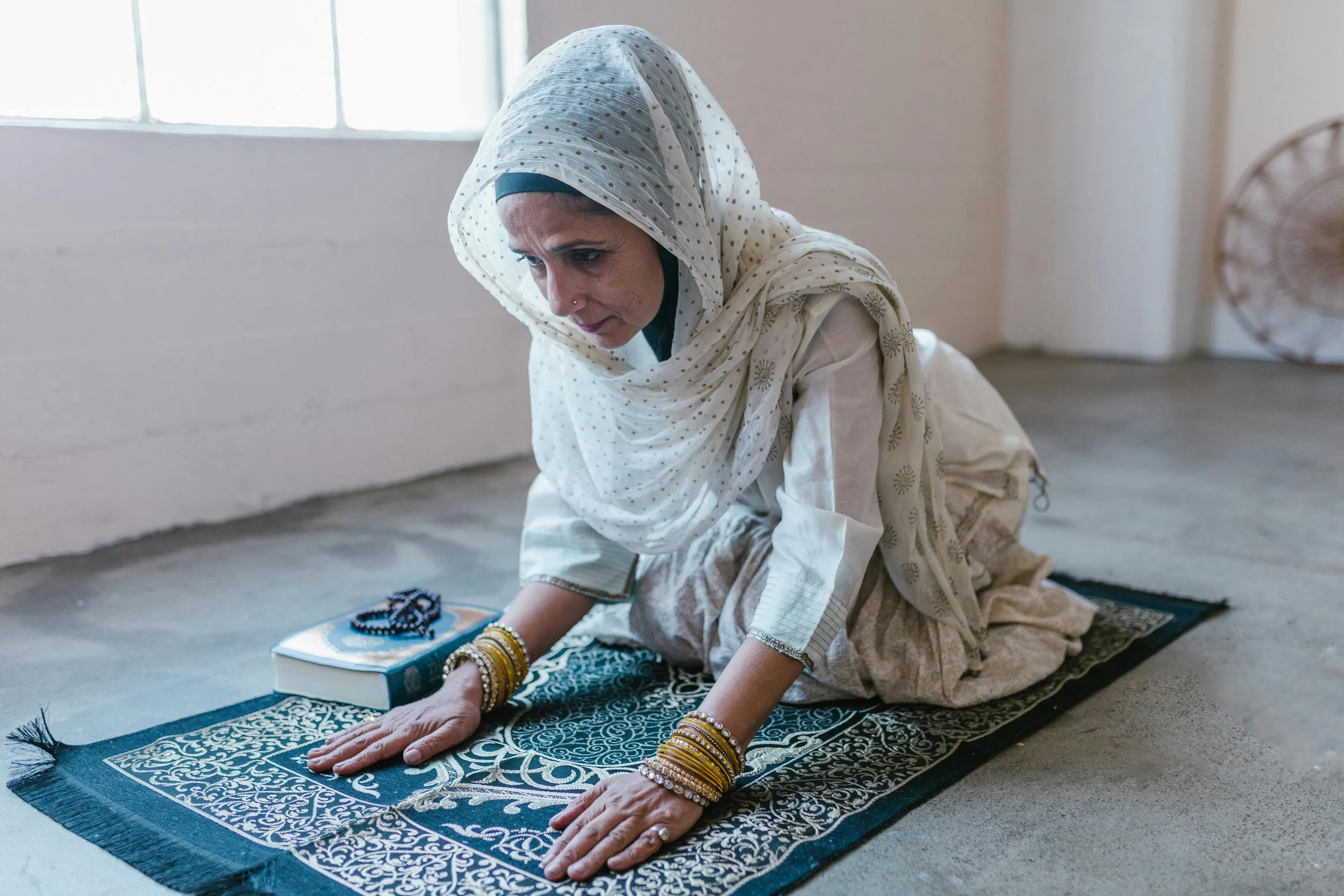
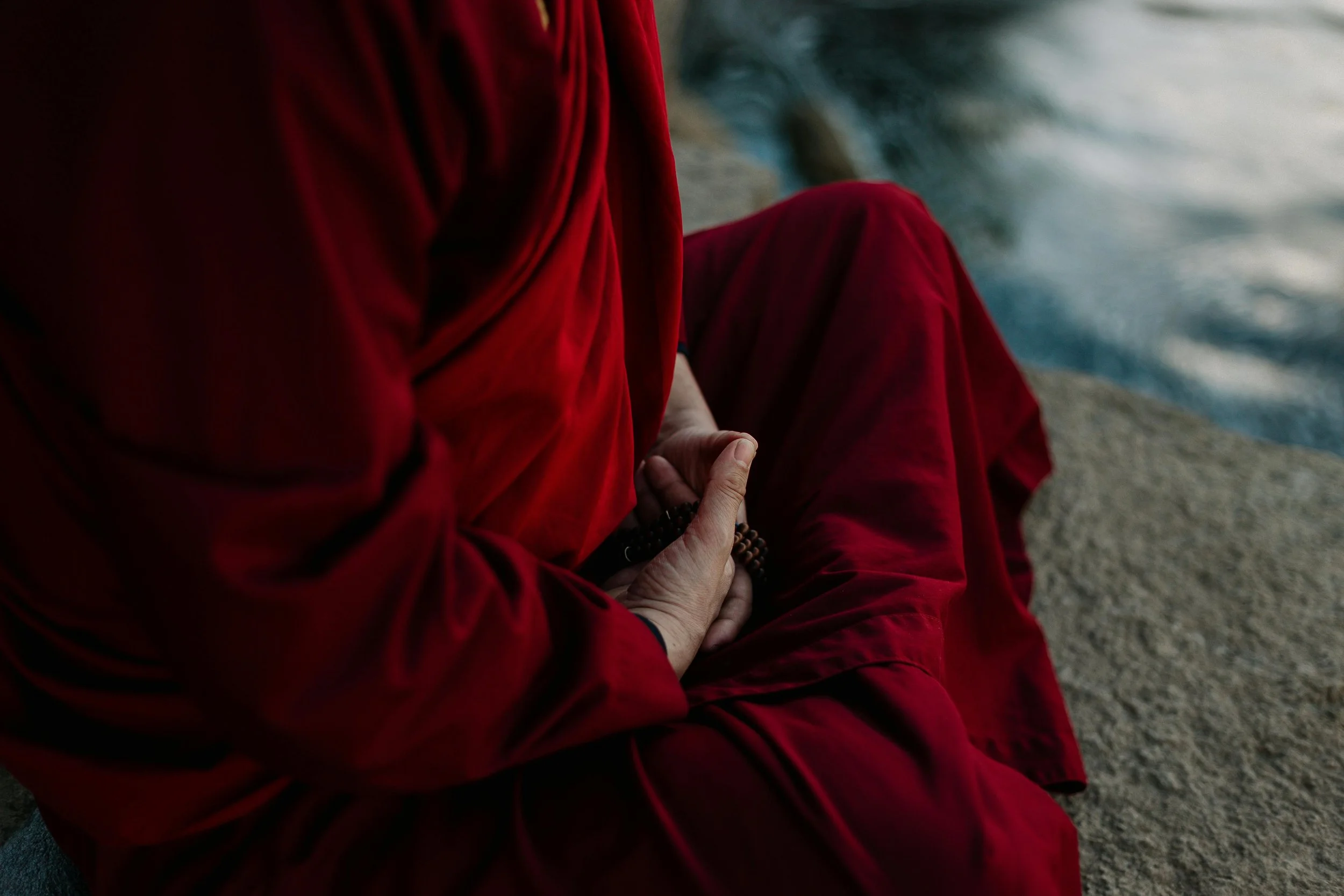

What Research Tells Us About Spiritual Practices and Mental Health
The relationship between spiritual practices and mental health has been studied extensively over the past several decades, and the findings are encouraging. Prayer and meditation both activate the parasympathetic nervous system, which is your body's built-in mechanism for calming the stress response. When you engage in either practice consistently, measurable changes occur in brain function, hormone regulation, and emotional processing.
Studies published in journals like the Journal of Clinical Psychology and the American Journal of Psychiatry have found that regular spiritual practice is associated with lower rates of depression, reduced anxiety, improved ability to cope with chronic illness, greater resilience following traumatic experiences, and stronger social support networks. Neuroimaging research shows that both prayer and meditation engage areas of the brain involved in emotional regulation, self-awareness, and compassion.
It's important to note that these benefits are associated with practices that feel authentic and meaningful to the individual. Forced or guilt-driven spiritual practice does not produce the same positive outcomes. The quality of engagement matters more than the specific form it takes.
Understanding Prayer as a Wellness Practice
Prayer, in its many forms, has been a cornerstone of human experience across cultures and centuries. From a mental health perspective, prayer functions in several ways that directly support emotional well-being.
Here are some of the forms prayer takes and how each one contributes to mental wellness:
Conversational Prayer
Speaking openly to God about your thoughts, fears, hopes, and struggles shares important features with therapeutic processing, as putting internal experiences into words helps the brain organize and regulate difficult emotions while creating a sense of being heard and held.
Intercessory Prayer
Praying for others has been shown to increase feelings of empathy and compassion while reducing self-focused rumination, a pattern of repetitive negative thinking closely linked to depression and anxiety.
Gratitude-Focused Prayer
Directing prayer toward thankfulness shifts attention toward what is present and good, counteracting the brain's natural tendency to fixate on threats and problems.
Contemplative Prayer
Traditions such as centering prayer or lectio divina move beyond words into stillness and receptive awareness, closely paralleling mindfulness meditation and producing similar neurological benefits, including reduced activity in the brain's default mode network associated with worry and self-referential thinking.
Community Prayer
Praying alongside others in a faith community provides both spiritual connection and the social support that research consistently links to lower rates of depression and greater resilience during difficult seasons.
For those within the Riverside faith community, prayer is often deeply woven into daily life and relationships. Recognizing it as a genuine wellness practice, not just a religious obligation, can deepen both your spiritual experience and your emotional health.
Understanding Meditation as a Wellness Practice
Meditation encompasses a broad range of practices, but at its core, it involves intentionally directing your attention in a way that cultivates awareness, calm, and presence. Unlike common misconceptions, meditation is not about emptying your mind or achieving a state of perfect stillness. It's about developing a different relationship with your thoughts and emotions.
Mindfulness meditation, the form most studied in clinical research, involves paying attention to the present moment with openness and without judgment. When your mind wanders, which it will, you gently return your attention to your chosen focus, whether that's your breath, a word, a sensation, or simply the act of noticing. This simple process, practiced consistently, strengthens neural pathways associated with emotional regulation, focus, and stress resilience.
Clinical applications of meditation have expanded significantly. Mindfulness-based stress reduction (MBSR) and mindfulness-based cognitive therapy (MBCT) are now evidence-based treatments used in hospitals, clinics, and therapeutic settings worldwide. These approaches have demonstrated effectiveness for depression relapse prevention, anxiety management, chronic pain, and trauma recovery when integrated with other therapeutic modalities.
For people who don't identify with a particular faith tradition, meditation offers a secular pathway to many of the same calming, centering benefits that prayer provides. And for those who do hold spiritual beliefs, meditation can enhance rather than replace prayer by training the kind of focused, receptive attention that deepens spiritual experience.
Six Ways Prayer and Meditation Complement Each Other
When practiced together, prayer and meditation create a more complete foundation for mental and spiritual wellness. Here are six ways these practices strengthen each other:
1. Preparation and Receptivity
A brief meditation before prayer can quiet mental noise and help you enter prayer with greater focus and openness. Rather than bringing a scattered mind to your conversation with God, a few minutes of centering allows you to arrive more fully present.
2. Emotional Regulation and Honest Expression
Meditation builds the capacity to observe difficult emotions without being overwhelmed by them. This skill translates directly into prayer, allowing you to bring your authentic feelings, including anger, grief, doubt, and fear, into your spiritual life without shutting down or becoming consumed.
3. Deepening Stillness
Many faith traditions describe a form of prayer that moves beyond words into simple presence with God. Meditation skills support this kind of contemplative depth, helping you become comfortable with silence and receptive awareness rather than feeling the need to fill every moment with language.
4. Strengthening Attention
Both practices train the ability to sustain attention, a cognitive skill that supports virtually every area of mental health. Together, they reinforce each other. The focus you develop in meditation carries into prayer, and the intentionality of prayer carries into your meditation practice.
5. Processing and Integration
Prayer often involves bringing life's challenges, questions, and experiences before God. Meditation provides tools for sitting with whatever arises during that process without rushing toward answers or avoiding discomfort. This combination supports deeper emotional processing and integration.
6. Building Consistency
Having two complementary practices increases the likelihood of maintaining a daily routine. On days when prayer feels difficult, meditation can serve as an entry point. On days when sitting in silence feels challenging, the relational quality of prayer can provide structure and connection.
These practices are not in competition. They represent different dimensions of the same human capacity for awareness, connection, and healing.
Integrating These Practices into Your Daily Life
Building a sustainable practice doesn't require dramatic changes to your schedule. Starting with five to ten minutes a day is more effective than ambitious plans that collapse within a week.
Consider anchoring your practice to an existing routine. Many people find that morning works best, before the demands of the day take over. Others prefer evening as a way to process and release the day's stress. What matters most is consistency rather than duration. A daily five-minute practice will benefit you more than an occasional hour-long session.
You might begin with a simple structure: start with two minutes of quiet breathing to settle your mind, move into a period of prayer, and close with a minute of silent, open awareness. Over time, you can adjust the balance and duration based on what serves you. There is no single right way to do this.
Community can also support your practice. Many churches and spiritual communities in Riverside offer prayer groups, contemplative worship services, and meditation circles. Engaging with others can provide accountability, shared learning, and the encouragement that comes from knowing you're not practicing alone. Our story at Raincross is rooted in the Riverside community's diverse spiritual life, and we value the ways that shared faith supports healing.
When Spiritual Practices Are Not Enough on Their Own
Prayer and meditation are powerful practices, and they are also not substitutes for professional mental health care when clinical support is needed. If you're experiencing persistent depression, anxiety that interferes with daily functioning, trauma responses, or relationship difficulties, these spiritual practices work best as complements to therapy rather than replacements for it.
At Raincross Family Counseling, we offer faith-based counseling as an option for clients who want to integrate their spiritual life into the therapeutic process. This approach combines evidence-based treatment methods with respect for your beliefs and values, creating a space where your whole self is welcome.
If you're curious about how therapy and spiritual practice might work together in your life, we invite you to reach out to our team. Taking care of your mental health and nurturing your spiritual life are not separate projects. They're two expressions of the same commitment to living fully and well.
Ready to take the next step in your mental health journey? At Raincross Family Counseling, we're here to support you with compassionate, personalized care in the heart of the Inland Empire and beyond. Whether you're seeking individual therapy, couples counseling, family therapy, or specialized EMDR treatment, our experienced team is ready to walk alongside you toward healing and growth. Contact us today!
Raincross Family Counseling - Where healing takes root and growth flourishes in our Riverside community.
