
Easing the Back-to-School Transition for Anxious Kids
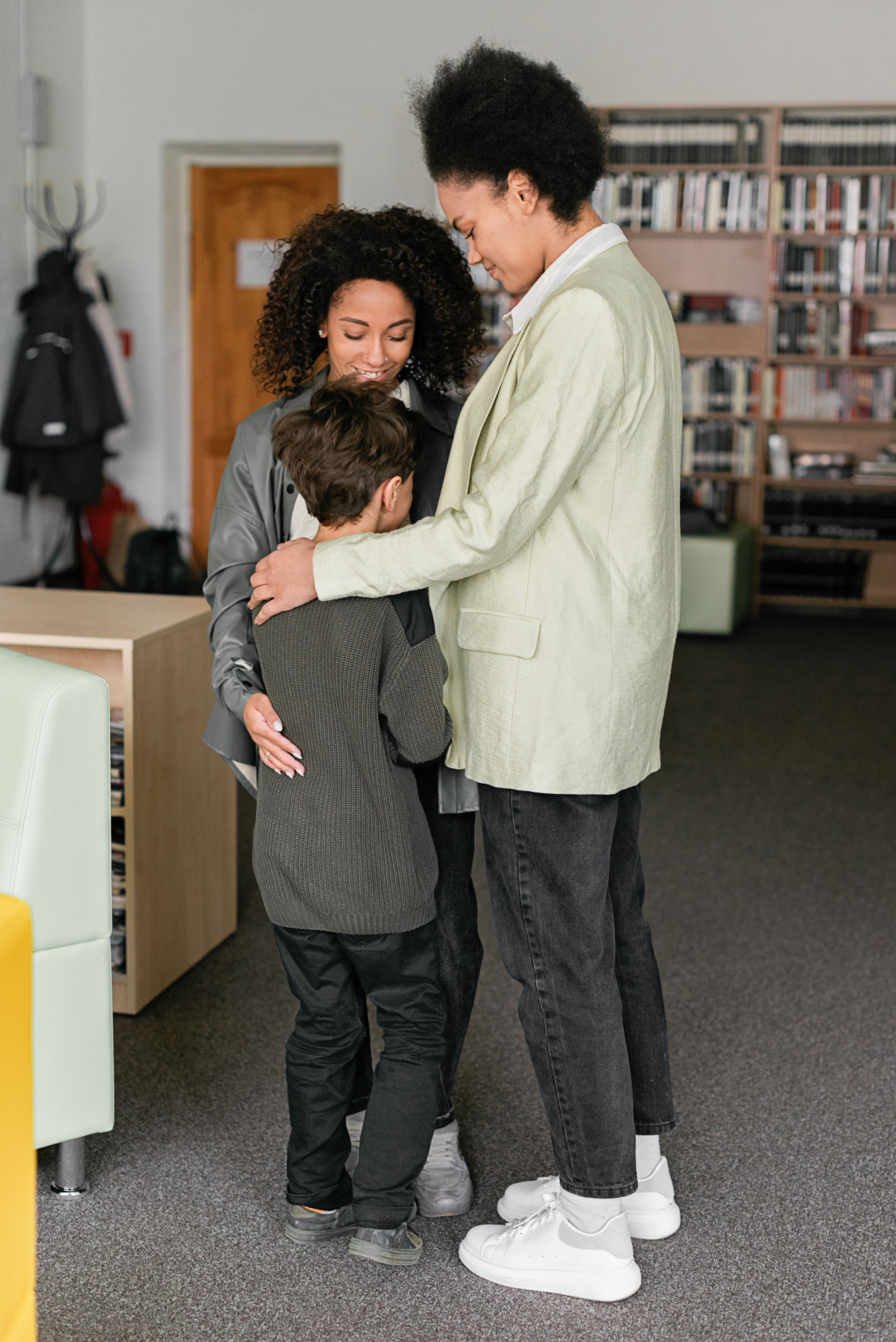
The end of summer in the Inland Empire has a particular rhythm. The long, warm evenings start to shorten, the aisles at the local stores fill with backpacks and lunchboxes, and somewhere in your home a child grows quieter, clingier, or more prone to tears. For many families in Riverside and LA, the return to school is exciting. For a child who lives with anxiety, it can feel like standing at the edge of the Santa Ana River, unsure how deep the water runs.
If your child is dreading the first day, you are not doing anything wrong, and neither are they. Anxiety around change is a normal human response, and children feel it acutely because so much of their world is outside their control. This guide will help you understand what your anxious child is experiencing, how to recognize when worry is more than ordinary jitters, and specific, gentle ways to smooth the path back into the classroom.
It also helps to remember that your child's anxiety is not a verdict on your parenting or their character. Anxiety is common, treatable, and often most intense right before a feared event, then easing once the reality proves more manageable than the imagination. Many children who dread the first week are settled and even thriving by October. Holding that longer view can steady you on the hardest mornings, when it is tempting to conclude that something is deeply wrong. Usually what is happening is simply a sensitive nervous system meeting a big change, and that is something you can help your child move through.
Why Back-to-School Feels Different for Anxious Kids
A new school year asks a child to let go of everything predictable at once. The comfortable summer schedule disappears, replaced by early mornings, unfamiliar teachers, new classmates, and academic expectations that raise the stakes. For a child who is naturally cautious or sensitive, that much change arriving on a single Monday can feel overwhelming.
It helps to remember that anxiety is not stubbornness or drama. It is the body's alarm system doing its job a little too enthusiastically. When a child worries about school, their nervous system may respond as though there is real danger ahead, which is why a stomachache before the bus is every bit as real as a scraped knee. Understanding the difference between everyday nerves and something more persistent is the first step, and it can be useful to review how ordinary stress differs from clinical anxiety so you know what you are looking at.
Recognizing the Signs of School Anxiety
Anxiety rarely announces itself clearly, especially in younger children who do not yet have the words for what they feel. Instead, it tends to leak out through the body, through behavior, and through the small moments of the day. Parents who know the signs can respond early, before worry hardens into avoidance.
What Anxiety Can Look Like at Home and School
Watch for shifts that cluster together and intensify as the first day approaches. No single sign confirms anything, but a pattern is worth attention.
Physical complaints such as stomachaches, headaches, nausea, or trouble sleeping, particularly on Sunday nights or school mornings
Increased clinginess or distress at separation, even from a child who used to say goodbye easily
Irritability and meltdowns that seem out of proportion to the situation, which is often anxiety spilling over rather than defiance
Avoidance behaviors like refusing to talk about school, dragging out the morning routine, or asking repeatedly to stay home
Reassurance seeking, where the same questions about school return again and again no matter how many times you answer
Changes in appetite or energy, including a child who suddenly eats far less or seems drained before the day has begun
If several of these appear together and last beyond the first couple of weeks, it may be time to loop in a professional. Our clinicians who provide individual therapy for children and adolescents can help distinguish a rough transition from something that needs more focused support.
Practical Ways to Ease the Transition
You do not need to erase your child's anxiety to help them, and trying to talk them out of it often backfires. The goal is to lower the temperature, restore a sense of predictability, and build small experiences of coping so your child learns that they can handle hard things. Here are five approaches you can begin using today.
1. Rebuild Structure Before Day One
Anxiety shrinks in the presence of predictability, so start restoring the school rhythm a week or two ahead of time rather than the night before. Move bedtime and wake time gradually earlier, reintroduce sit-down breakfasts, and practice the morning sequence so it feels familiar when it counts.
If your family has spent the summer in a looser pattern, this shift matters even more. A child who has been staying up late during warm Riverside evenings will struggle to face a 7 a.m. alarm cold. Easing into the schedule gives the nervous system time to adjust and removes one large source of first-day shock.
2. Preview the Unknown Together
Much of school anxiety is fear of the unfamiliar, so shrink the unknown wherever you can. If your district offers a campus visit or a chance to meet the teacher, take it. Walk the route, find the classroom, locate the bathroom and the cafeteria, and let your child stand in the space before it fills with strangers.
For older children, a conversation about what the day will actually look like, period by period, can be grounding. When a child can picture the sequence of their day, the mystery that fuels dread starts to dissolve into something manageable.
3. Validate First, Reassure Second
When your child says they are scared, resist the urge to jump straight to "you will be fine." That message, however loving, can leave a child feeling unheard. Instead, name what you see: "It sounds like the thought of a new teacher is making your tummy hurt. That makes sense." Validation tells your child their feelings are real and survivable.
Only after your child feels understood should you offer gentle encouragement and problem solving. This order matters. A child who feels seen is far more open to hearing that they are capable than a child who feels rushed past their fear.
4. Teach One Simple Calming Skill
Children cannot reason their way out of an anxious body, but they can learn to settle it. Pick one easy tool and practice it during calm moments so it is available under pressure. Slow belly breathing works well, as does a grounding exercise where your child names five things they can see and four they can hear.
Keep it small and repeatable. A single skill your child can actually use beats a dozen strategies they cannot remember when their heart is racing outside the classroom door.
5. Keep Your Own Nervous System Steady
Children read their parents like weather. If your goodbye is drawn out, tearful, or anxious, your child absorbs the message that school is something to fear. A warm, brief, confident farewell communicates that you trust them and trust the day ahead.
This is genuinely hard when your heart aches watching them walk away. Give yourself permission to feel that privately while keeping your outward presence calm and steady. Your composure becomes a kind of anchor your child can borrow.
These strategies work best applied consistently and with patience, since progress with anxiety tends to come in small steps rather than sudden leaps.
Supporting the Whole Family Through the Season
Back-to-school anxiety rarely stays contained to one child. Siblings feel the tension, parents lose sleep, and mornings can turn into a source of conflict that colors the entire day. Tending to the family system, not just the anxious child, often makes the biggest difference.
Consider how transitions ripple through your household and where small adjustments could ease pressure for everyone. Predictable routines, protected connection time, and honest conversations about feelings benefit siblings too. When strain between family members becomes a pattern, family therapy offers a space to reset communication and share the emotional load. It can also help to understand that a child's back-to-school worries often shift alongside their stage of growth, and reviewing how children move through different developmental stages can reframe behavior that might otherwise feel baffling.
When to Reach Out for Extra Support
Most children settle into the school year within a few weeks once routines stabilize and the unfamiliar becomes familiar. Some do not, and there is no shame in that. Persistent school refusal, panic that does not ease, or anxiety that keeps a child from eating, sleeping, or participating in the activities they love are signals that professional support could help.
Reaching out early tends to make the work shorter and gentler. A skilled therapist can teach your child coping skills, help you respond in ways that reduce rather than reinforce fear, and rule out other concerns that may be feeding the anxiety. Here in the Inland Empire, families do not have to navigate this alone.
Every child deserves to walk into a new school year feeling supported, and every parent deserves to feel they have a plan. If your child's anxiety feels bigger than a fresh start can fix, we would be glad to help. Reach out to our Riverside and LA team to talk through what your child needs and how we can walk alongside your family this school year.
Ready to take the next step in your mental health journey? At Raincross Family Counseling, we're here to support you with compassionate, personalized care in the heart of the Inland Empire and beyond. Whether you're seeking individual therapy, couples counseling, family therapy, or specialized EMDR treatment, our experienced team is ready to walk alongside you toward healing and growth. Contact us today!
Raincross Family Counseling - Where healing takes root and growth flourishes in our Riverside community.
