
Bilingual Family Therapy in Los Angeles, CA
Bridge Language Barriers and Strengthen Family Bonds with Culturally Responsive Care
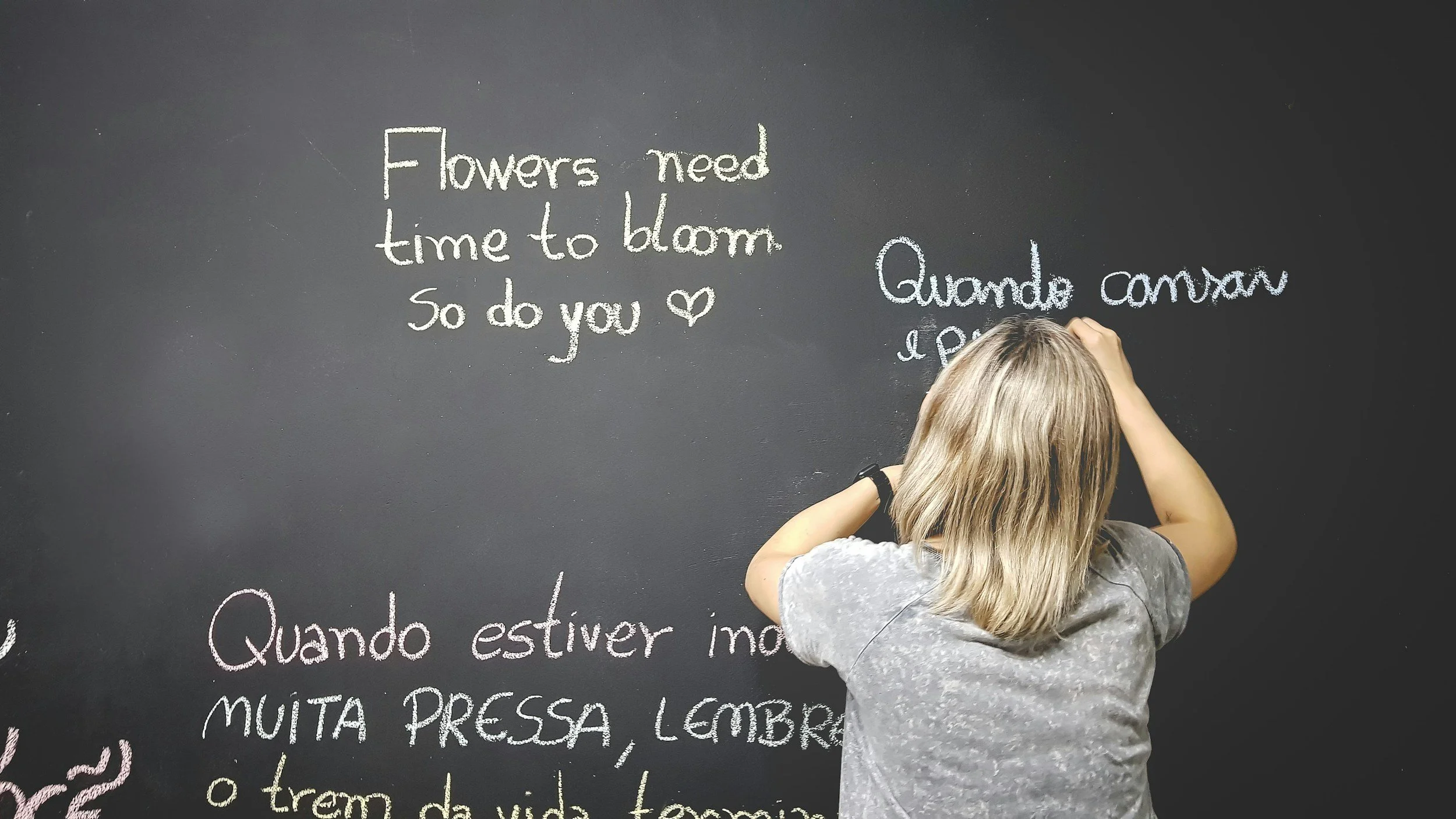
When language differences create barriers within your family, finding your voice becomes even more challenging.
Many bilingual families in Los Angeles struggle with intergenerational communication, where parents and children navigate between Spanish and English, often losing emotional connection in translation. Cultural expectations, bicultural identity challenges, and the stress of maintaining family harmony while honoring both heritage and American life can leave families feeling disconnected and misunderstood.
At Raincross Family Counseling, we understand that healing happens best in the language of your heart. Our bilingual family therapy services in Los Angeles provide a safe space where every family member can express themselves authentically, whether in Spanish, English, or both. We recognize the unique strengths and challenges of bicultural families, offering culturally responsive care that honors your traditions while addressing the complexities of modern family life.
Located in the heart of Los Angeles' diverse community, we bridge the gap between cultures and generations, helping families rediscover their connection and build stronger relationships that celebrate both their heritage and their American experience.
Our approach recognizes that family conflicts often stem from deeper cultural misunderstandings, generational differences in acculturation, and the challenge of maintaining family cohesion while adapting to American society. We provide therapy sessions conducted in Spanish, English, or both languages as needed, ensuring every family member can participate fully in their healing journey.
Our culturally responsive therapy process begins with understanding your family's cultural background, migration story, and the specific challenges you face as a bicultural family in Los Angeles. We explore how language preferences, cultural values, and generational differences impact your family dynamics. Sessions may include parents who are more comfortable expressing emotions in Spanish while their children prefer English, or families struggling with maintaining cultural traditions in an American context.
Through evidence-based family therapy techniques adapted for bilingual families, we address communication barriers, resolve cultural conflicts, and strengthen intergenerational bonds. Our approach helps parents maintain their cultural authority while understanding their children's bicultural identity challenges. We work with adolescents navigating between their home culture and peer influences, and support families in creating new traditions that honor both cultures.
The outcome is a family that communicates more effectively across languages and cultures, with improved understanding of each member's unique bicultural experience. Families develop stronger emotional connections, better conflict resolution skills, and a renewed appreciation for their cultural strengths while successfully navigating life in Los Angeles.
Bilingual family therapy at Raincross Family Counseling addresses the unique dynamics that emerge in families navigating multiple languages and cultures.
Begin Your Family's Bilingual Healing Journey
Key Benefits
-
At Raincross Family Counseling, we believe healing happens most effectively when you can express yourself in the language that feels most natural. Our bilingual family therapy sessions in Los Angeles accommodate Spanish-speaking parents who find deeper emotional expression in their native language, while also supporting children who may be more comfortable communicating complex feelings in English. This linguistic flexibility is particularly crucial in Los Angeles, where over 40% of families speak Spanish at home, yet children often navigate their daily lives primarily in English.
During sessions, family members are encouraged to use whichever language allows them to communicate most authentically. Parents can share their cultural wisdom and emotional experiences in Spanish without losing nuance or depth, while children can express their bicultural struggles in English without feeling disconnected from their family's understanding. Our therapist seamlessly transitions between languages, ensuring no family member feels excluded or misunderstood due to language barriers.
This bilingual approach proves especially powerful when addressing sensitive topics like cultural expectations, academic pressures, or identity conflicts. Many Los Angeles families discover that certain emotions or concepts exist more fully in one language than another - the warmth of "cariño" or the complexity of "respeto" often lose meaning in translation. By honoring both languages, we create a therapeutic environment where your family's full emotional range can be explored and healing can occur in the language of your heart.
-
Los Angeles' rich Latino community brings beautiful traditions, strong family values, and deep cultural wisdom that strengthens families across generations. However, navigating American society while maintaining cultural identity creates unique challenges that require specialized understanding. Our culturally responsive family therapy recognizes the importance of "familismo," respects the role of extended family, and understands how cultural values like "respeto" and "personalismo" influence family dynamics and communication patterns.
We address the specific struggles bicultural families face in Los Angeles, from parents feeling their authority undermined by different cultural norms to children struggling with divided loyalties between home and school environments. Our approach validates the strength found in Latino cultural values while helping families adapt these values to their current reality. We understand how immigration experiences, whether recent or generational, continue to impact family relationships and individual identity development.
Cultural responsiveness means recognizing that family healing must align with your values and worldview. We explore how traditional gender roles, religious beliefs, and cultural expectations can be honored while allowing for individual growth and adaptation. Many families find relief in discovering that maintaining their cultural identity and adapting to American life aren't mutually exclusive choices, but rather complementary aspects of their unique family story that can be integrated for greater strength and resilience.
-
The communication gap between immigrant parents and their American-raised children extends far beyond language differences. In Los Angeles' diverse communities, many families struggle with parents who maintain traditional communication styles while children adopt more direct, individualistic approaches learned in American schools and peer groups. These differences in communication styles, combined with varying levels of English and Spanish proficiency across generations, create misunderstandings that can fracture family relationships.
Our therapy approach specifically addresses these intergenerational dynamics by helping each generation understand the cultural context behind their communication styles. Parents learn to recognize that their children's directness isn't necessarily disrespectful, while children gain appreciation for the wisdom embedded in their parents' more indirect, relationship-focused communication patterns. We facilitate conversations where grandparents, parents, and children can share their cultural perspectives and find common ground despite their different experiences of American assimilation.
This work proves particularly vital in Los Angeles, where third and fourth-generation Latino families may struggle with maintaining cultural connections while fully embracing American opportunities. We help families navigate decisions about language use at home, cultural celebration, and maintaining connections with extended family, both locally and in countries of origin. The result is stronger intergenerational bonds built on mutual respect and understanding, where cultural wisdom flows between generations rather than creating division.
-
Growing up bicultural in Los Angeles offers incredible richness but also presents unique identity challenges that require specialized support. Many Latino children and adolescents struggle with questions like "Am I Mexican enough?" or "Am I American enough?" while navigating different cultural expectations at home versus school or with peers. These identity conflicts can manifest as academic struggles, social anxiety, or family conflicts that require culturally informed therapeutic intervention.
Our family therapy approach helps young people embrace their bicultural identity as a strength rather than a source of confusion. We work with families to understand how cultural identity development differs from traditional American adolescent development, recognizing that bicultural youth face additional complexity in forming their sense of self. Sessions address the pressure many young people feel to choose between cultures, helping them understand that they can honor their heritage while fully participating in American opportunities.
This support proves especially crucial during key developmental transitions like starting high school, preparing for college, or entering the workforce, when cultural identity questions intensify. We help families navigate decisions about cultural traditions, language maintenance, career choices, and relationship expectations in ways that strengthen rather than divide family bonds. Many families discover that their children's bicultural competence becomes a significant advantage when properly supported and celebrated rather than seen as a source of conflict.
-
The immigration experience, whether recent or generational, creates lasting impacts on family dynamics that often require therapeutic attention. Los Angeles families frequently carry the weight of immigration trauma, separation experiences, documentation stress, and the ongoing challenges of building new lives while maintaining connections to their homeland. These experiences affect not only those who immigrated but also subsequent generations who inherit both the strength and the unresolved trauma of their family's migration story.
Our approach recognizes that immigration trauma manifests differently across family members and generations. Parents may struggle with grief over leaving family behind, fear of deportation, or guilt about opportunities their children have that they didn't have. Children may experience pressure to succeed as justification for their parents' sacrifices, anxiety about their family's legal status, or confusion about their connection to cultures they've never directly experienced. We address these complex dynamics with sensitivity to the ongoing nature of immigration adaptation.
Through trauma-informed family therapy, we help families process their migration experiences, celebrate their resilience, and address the ongoing stressors that affect their daily lives in Los Angeles. This work often involves helping families communicate about difficult topics, supporting parents in sharing age-appropriate information about their journey, and helping children understand their family's strength and courage. Many families find healing in reclaiming their immigration story as one of courage and determination rather than loss and fear.
-
Latino family values emphasize collective well-being and family loyalty, which provides tremendous strength but can sometimes conflict with American emphasis on individual achievement and independence. Los Angeles families often struggle with balancing these values, particularly when children pursue educational or career opportunities that require physical or cultural distance from family expectations. Our therapy helps families navigate these tensions without sacrificing either family bonds or individual potential.
We work with families to expand their definition of family success to include individual growth and achievement while maintaining strong family connections. This might involve helping parents understand that their children's educational pursuits honor rather than reject family values, or supporting young adults in maintaining family relationships while establishing appropriate independence. We address the guilt many family members feel when pursuing individual goals and help families celebrate individual achievements as collective victories.
This balance proves particularly important in Los Angeles, where opportunities for education and career advancement may require family members to navigate social and professional environments very different from their home culture. Through family therapy, we help create communication patterns that support both individual growth and family cohesion, ensuring that success in American society strengthens rather than weakens family bonds.
Our Services
Intergenerational Communication Therapy
Specialized support for families struggling with communication across generations and cultures. We address the unique challenges when grandparents, parents, and children have different levels of English and Spanish fluency, varying cultural expectations, and distinct communication styles shaped by their different experiences in America. Sessions focus on building understanding, respect, and effective communication patterns that honor both traditional values and contemporary family needs.
Immigration and Acculturation Support
Comprehensive therapy for families processing immigration experiences and ongoing acculturation challenges. We address immigration trauma, family separation experiences, documentation anxiety, and the complex emotions surrounding cultural adaptation. Our approach helps families heal from past experiences while building resilience for ongoing challenges in their American journey.
Bicultural Identity Counseling for Youth
Dedicated support for children and adolescents navigating their bicultural identity in Los Angeles. We help young people embrace both their Latino heritage and American opportunities without feeling torn between cultures. This service addresses academic pressures, peer relationships, career choices, and family expectations while building confidence in their unique bicultural strengths and perspectives.
Cultural Conflict Resolution
Specialized intervention for families experiencing conflicts rooted in cultural differences, generational gaps, or differing levels of acculturation. We help families understand how cultural values, religious beliefs, and traditional expectations can be honored while allowing for individual growth and family adaptation to American society.
Extended Family Dynamics Support
Focused therapy for families navigating complex extended family relationships, including grandparents' roles, extended family expectations, and maintaining connections across borders. We address how traditional family structures adapt to American contexts while preserving important cultural connections and support systems.
Our Process
Step 1: Bilingual Assessment and Cultural Understanding
Your family's therapeutic journey begins with a comprehensive assessment conducted in Spanish, English, or both languages as comfortable for each family member. We explore your family's cultural background, immigration history, current challenges, and goals for therapy. This initial session, lasting 90 minutes, allows us to understand your unique bicultural dynamics, communication patterns, and the specific ways language and culture impact your family relationships. We discuss your preferences for language use in sessions and how cultural values will be honored throughout the therapeutic process.
Step 2: Culturally Responsive Treatment Planning
Together, we develop a treatment plan that aligns with your cultural values while addressing your family's specific needs. This collaborative process takes 1-2 sessions and involves all family members in identifying goals that respect cultural traditions while promoting healthy communication and individual growth. We establish how sessions will accommodate different language preferences, integrate cultural strengths, and address bicultural challenges. Your treatment plan becomes a roadmap that honors your heritage while promoting healing and growth.
Step 3: Active Bilingual Family Therapy Sessions
Weekly therapy sessions provide a safe space where family members can express themselves in their language of comfort while building stronger connections across cultural and generational lines. Sessions typically last 50-80 minutes, depending on family size and needs. We use evidence-based family therapy techniques adapted for bilingual families, facilitating communication between family members who may prefer different languages or have varying cultural perspectives. Progress is regularly reviewed and celebrated.
Step 4: Integration and Continued Cultural Strengthening
As therapy progresses, we focus on integrating new communication skills and cultural understanding into daily family life. We help families develop strategies for maintaining therapeutic gains while navigating ongoing bicultural challenges in Los Angeles. Sessions may become less frequent as families build confidence, with periodic check-ins to support continued growth and address new challenges as they arise.
Our Approach
Our approach to bilingual family therapy is rooted in deep respect for the cultural wisdom families bring while recognizing the unique challenges of navigating multiple cultures in Los Angeles.
We believe that every family possesses inherent strengths derived from their cultural heritage, and our role is to help families access these strengths while addressing the complex dynamics that arise from living between cultures. This perspective shapes every aspect of our therapeutic work, from language use in sessions to understanding family hierarchies and communication patterns.
Cultural responsiveness forms the foundation of our methodology, meaning we adapt therapeutic techniques to align with Latino cultural values rather than imposing mainstream American therapeutic approaches that may not resonate with your family's worldview. We understand concepts like "personalismo," the importance of warm personal relationships, and "simpatía," the value of maintaining harmony in relationships. Our interventions respect family roles and hierarchies while creating space for necessary adaptations and individual growth within the family system.
Our bilingual approach goes beyond simply offering translation services. We recognize that certain emotions, concepts, and relationship dynamics exist more fully in one language than another. Spanish may carry the emotional depth of family relationships and cultural values, while English might better express individual aspirations and peer influences. By seamlessly moving between languages as needed, we ensure that the full complexity of your family's experience can be explored and addressed without losing meaning or emotional connection.
The therapeutic environment we create acknowledges the ongoing nature of cultural adaptation and the strength required to maintain family bonds while embracing new opportunities. We help families understand that successful bicultural living isn't about choosing between cultures but about creating a unique family identity that honors both heritage and contemporary life in Los Angeles, building resilience for ongoing cultural navigation.
Frequently Asked Questions
Raincross Family Counseling has served the diverse Los Angeles community with culturally responsive mental health care, specializing in bilingual family therapy for Latino families navigating bicultural challenges. Founded by Reba Machado, LMFT, our practice combines evidence-based therapeutic approaches with a genuine understanding of the Latino cultural experience in Southern California.
-
We seamlessly accommodate both languages within sessions, allowing parents to express their deepest emotions and cultural wisdom in Spanish while ensuring children can communicate their American experiences in English. Our therapist translates nuances between languages when needed and helps family members understand each other's perspectives across linguistic differences. This approach ensures no family member feels excluded or misunderstood due to language barriers.
-
Absolutely. Our approach is specifically designed to honor cultural values like "familismo," respect for elders, and traditional family hierarchies while helping families adapt these strengths to their current circumstances. We understand the importance of extended family, religious beliefs, and cultural traditions in Latino families, and we integrate these values into therapeutic interventions rather than working against them.
-
Yes, this is one of our primary specialties. We help families understand that maintaining cultural identity and succeeding in American society aren't opposing choices. Through therapy, families develop strategies for honoring their heritage while embracing American opportunities, creating a bicultural identity that strengthens rather than divides family relationships.
-
We provide trauma-informed care that recognizes the lasting impact of immigration experiences on entire families. Our approach addresses both past trauma and ongoing stressors like documentation concerns, family separation, and acculturation pressures. We help families process their experiences, celebrate their resilience, and develop coping strategies for ongoing challenges.
-
Our bilingual, culturally responsive approach is specifically designed for bicultural families facing unique challenges that mainstream therapy often doesn't understand. We combine clinical expertise with deep cultural competence, ensuring that therapy aligns with your values while addressing the complex dynamics of living between cultures in Los Angeles.
Terapia Familiar Bilingüe Disponible
Bridge language barriers and strengthen family bonds with culturally responsive care